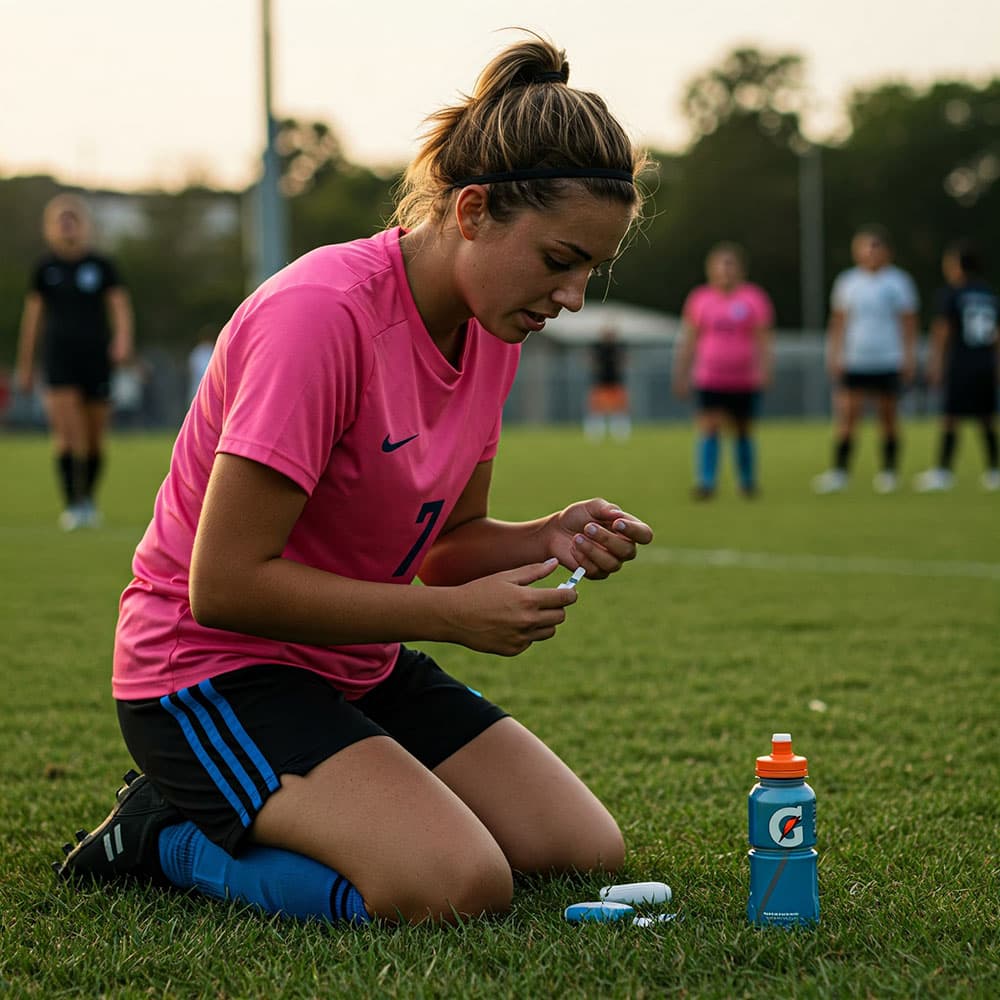
Physical activity is great for kids with Type 1 Diabetes (T1D), but managing blood glucose during exercise is crucial to avoid highs or lows. Here’s a guide to help you prepare, monitor, and recover safely.
Before Exercise: Check and Prepare Managing blood glucose during exercise starts with preparation. Check your child’s glucose level:
- If less than 70 mg/dL, follow hypoglycemia guidelines (opens in a new tab) from the American Diabetes Association.
- If less than 100 mg/dL, have a 15g carb snack without insulin, like a low-fat snack or 9 oz of regular Gatorade (opens in a new tab) (avoid high-fat options).
- If 250 mg/dL or higher, check for ketones. Do not exercise if ketones are positive.
During Exercise: Monitor Closely For activities longer than 60 minutes, check glucose levels halfway through:
- If less than 70 mg/dL, treat hypoglycemia and add a 15g carb snack.
- If less than 100 mg/dL, have a 15g carb snack without insulin.
- If greater than 100 mg/dL, no snack is needed.
Monitoring blood glucose during exercise helps prevent dangerous drops, especially during prolonged activities like sports or playdates.
After Exercise: Recover Safely Post-exercise care is just as important:
- Check blood glucose levels again.
- If less than 70 mg/dL, follow hypoglycemia treatment.
- Include a meal or snack within 2 hours of exercise (with insulin, sometimes a bit less than usual).
- If hyperglycemia occurs, be cautious with insulin corrections—physical activity can lower glucose levels for up to 24 hours or more and increase insulin sensitivity.
These are only recommendations, as each child reacts differently to activity. Always consult your healthcare provider for personalized advice on managing blood glucose during exercise for T1D.
Looking for the best gear to support your child’s active lifestyle with T1D? Check out our Living Actively with Type 1 Diabetes: The Ultimate Sports Gear Guide for expert recommendations!