
Hub · Daily Management
Daily Management
The routines that make T1D boring — in the best way. Emergency how-tos stay ad-free, always.
Emergencies & sick days
Routines
Tip
Latest in Daily Management

Is Epsom Salt Safe for People with Type 1 Diabetes? A Beginner’s Guide
Living with Type 1 diabetes can indeed be daunting. With a whirlwind of recommendations floating around—some beneficial, others not so much—it's easy to feel overwhelmed. One hot topic in diabetes communities is the safety of Epsom salt, and this guide aims to shed light on its role in managing Type 1 diabetes. Armed with knowledge,
T1Ddad · March 4, 2026
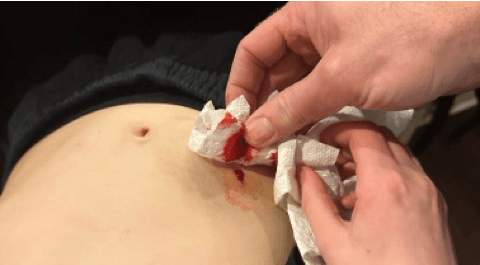
One Tough Site Change, One Brave Kid
When your child wears an insulin pump or CGM, you get used to site changes becoming part of life. Still, sometimes something small can feel really big. Tonight after removing my son’s Omnipod, the site started bleeding. Not just a tiny dot — enough to scare him. Enough to make him upset. Enough to make
T1Dmom · February 26, 2026
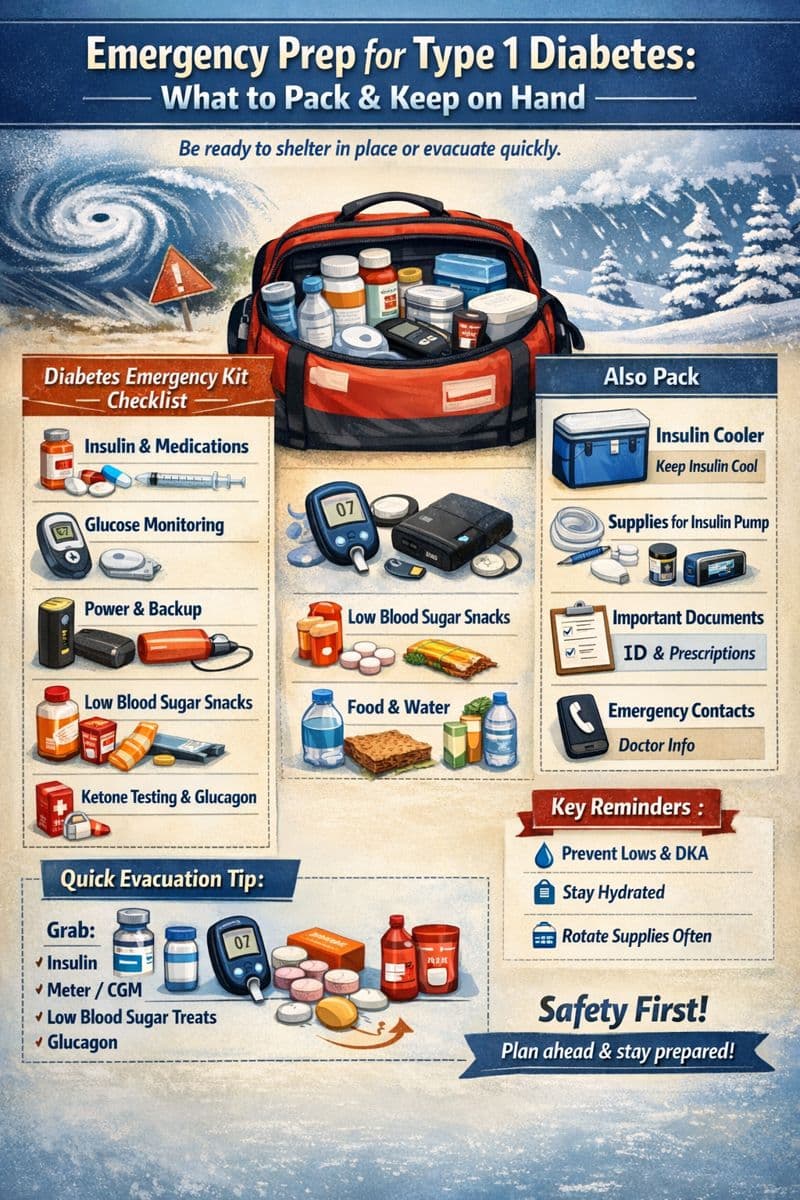
Emergency Prep for Type 1 Diabetes: What to Pack & Keep on Hand
When a hurricane, blizzard, wildfire, or extended power outage hits, people with Type 1 diabetes can’t just “wait it out.” Insulin, monitoring supplies, food timing, and temperature control are all critical. A little planning turns a dangerous situation into a manageable one. This guide walks you through building a diabetes emergency kit so you’re ready
T1Dmom · January 24, 2026
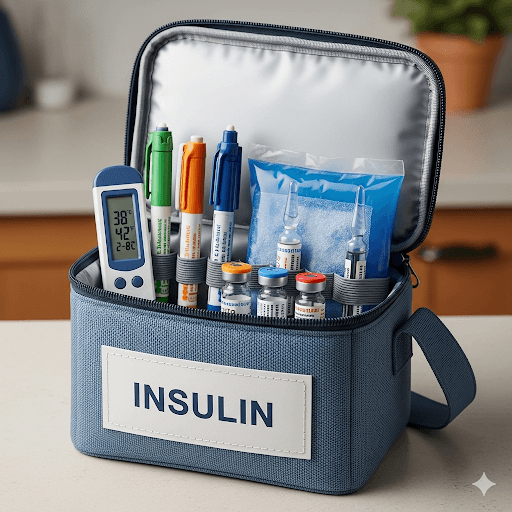
How to Store Insulin Properly
Whether you’re at home or on the go, keeping your insulin effective means storing it the right way: Unopened insulin:• Keep in the refrigerator (36°F–46°F / 2°C–8°C)• Don’t freeze it! Frozen insulin must be discarded. Opened insulin (in use):• Store at room temperature (below 86°F / 30°C)• Good for 28–42 days, depending on the type (check your insulin’s instructions)• Keep
T1Dmom · September 3, 2025

Sick Day Guidelines for Type 1 Diabetes (T1D)
Feeling under the weather? Even minor illnesses can raise your blood sugar and increase the risk of ketones or DKA. Here’s how to stay safe: DO: Check blood sugar every 2–4 hours Drink fluids every hour — water, broth, or sugar-free drinks. Sugar drinks may also be needed depending on the situation/illness Check ketones every 2 hours until they are negative Insulin-always
T1Dmom · July 8, 2025
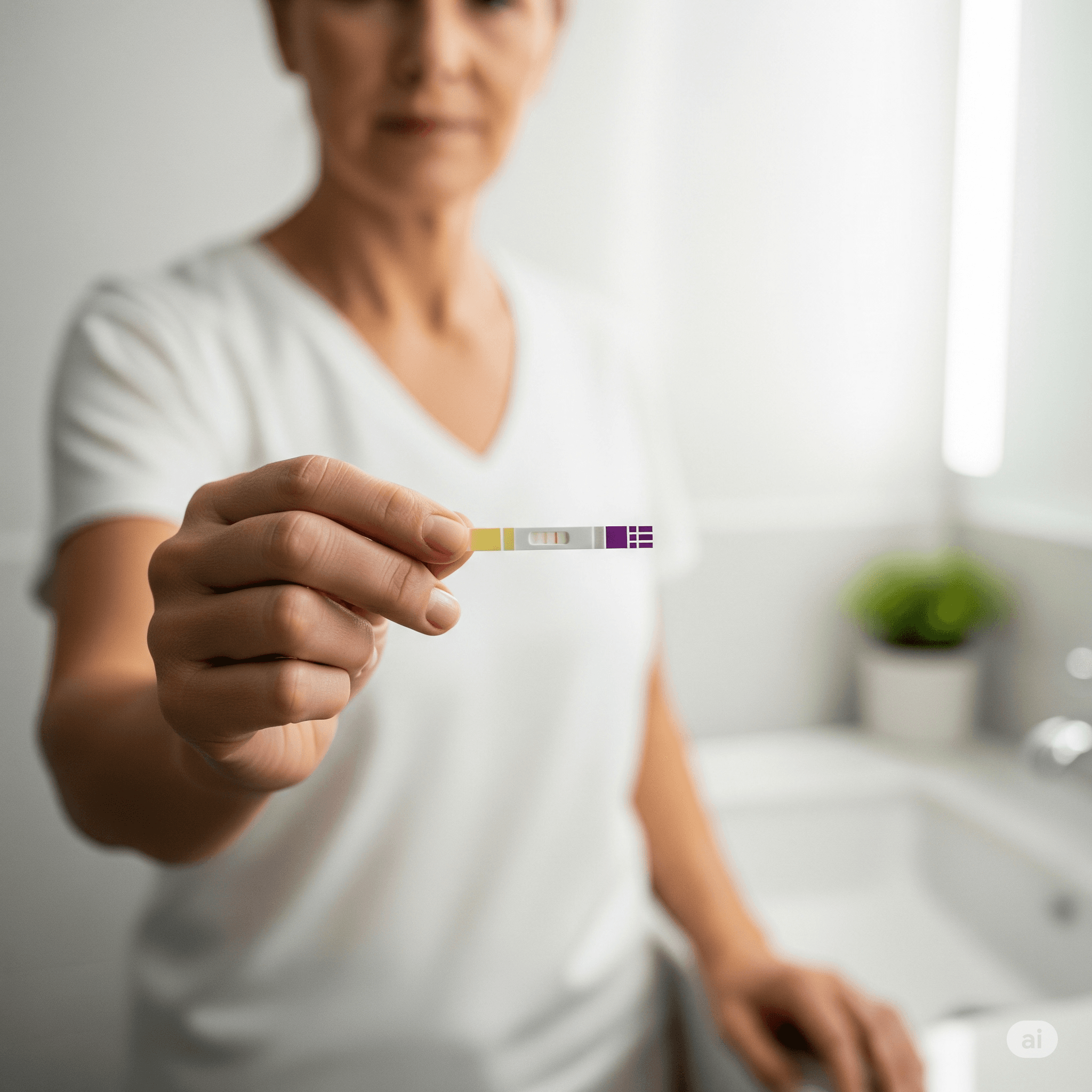
What Are Ketones in Type 1 Diabetes?
Let’s talk about something important — and potentially dangerous. In Type 1 diabetes, ketones are not just part of a trendy diet — they’re a warning sign. Ketones are poisons or acids made when the body breaks down fat for energy because there’s not enough insulin to use glucose (sugar) for fuel. When the body uses fat as a source of energy, it makes
T1Dmom · July 7, 2025

Understanding Your A1C: What Does It Really Mean?
If you’re living with diabetes, you’ve probably heard about your A1C — but what does it actually tell you? A1C is a blood test that shows your average blood sugar levels over the past 2–3 months. It gives you (and your care team) a big-picture view of how well your blood sugar is being managed — not just the
T1Dmom · June 28, 2025
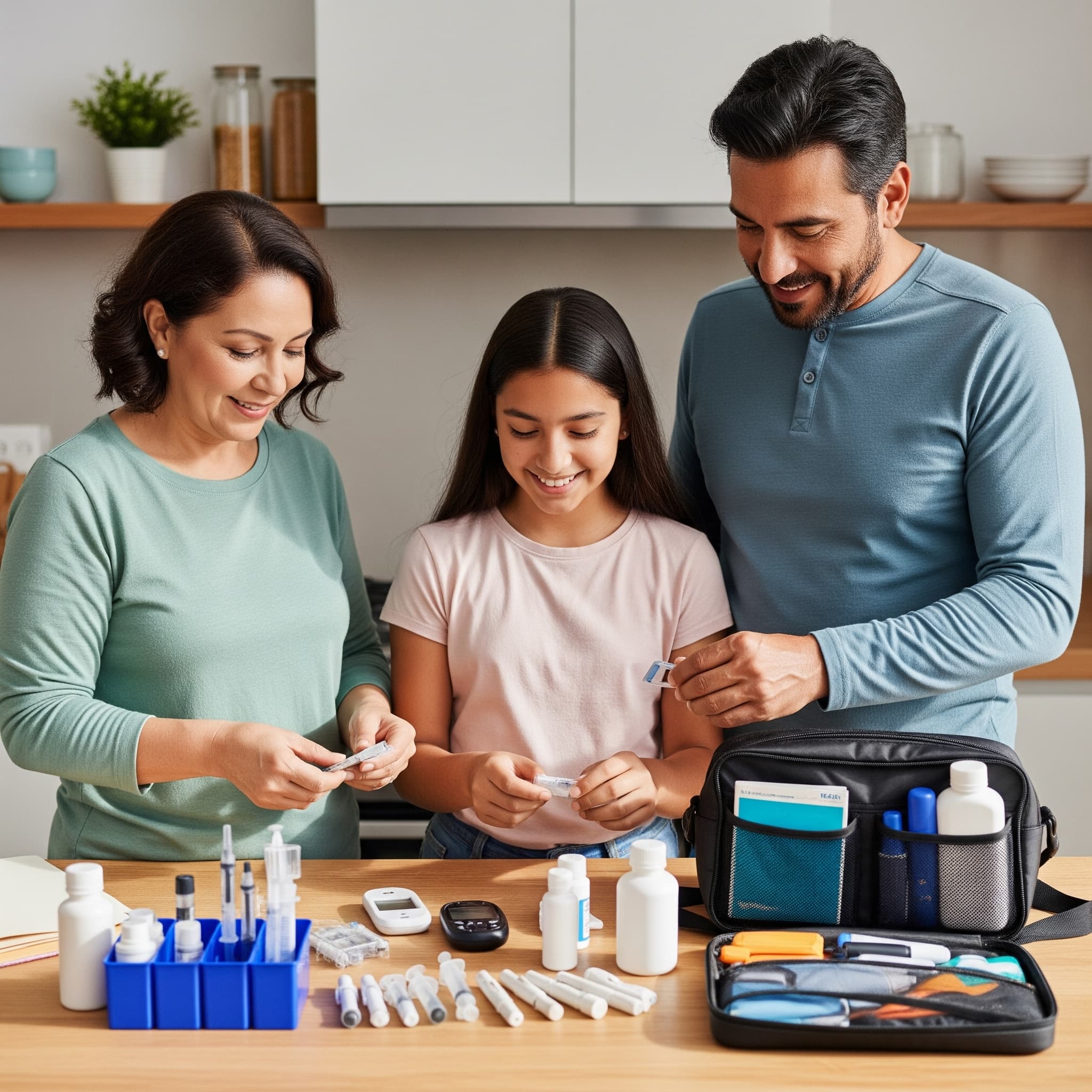
Stay Prepared: Organizing Type 1 Diabetes Supplies at Home and On-the-Go
Managing Type 1 Diabetes comes with a lot of gear—meters, insulin, pump supplies, CGM sensors, alcohol wipes, snacks, emergency items, and more. Staying organized isn’t just about tidiness—it’s about safety, peace of mind, and making daily routines easier. Being organized reduces stress and prevents last-minute scrambles. It also empowers your child (or you!) to feel
T1Ddad · June 26, 2025
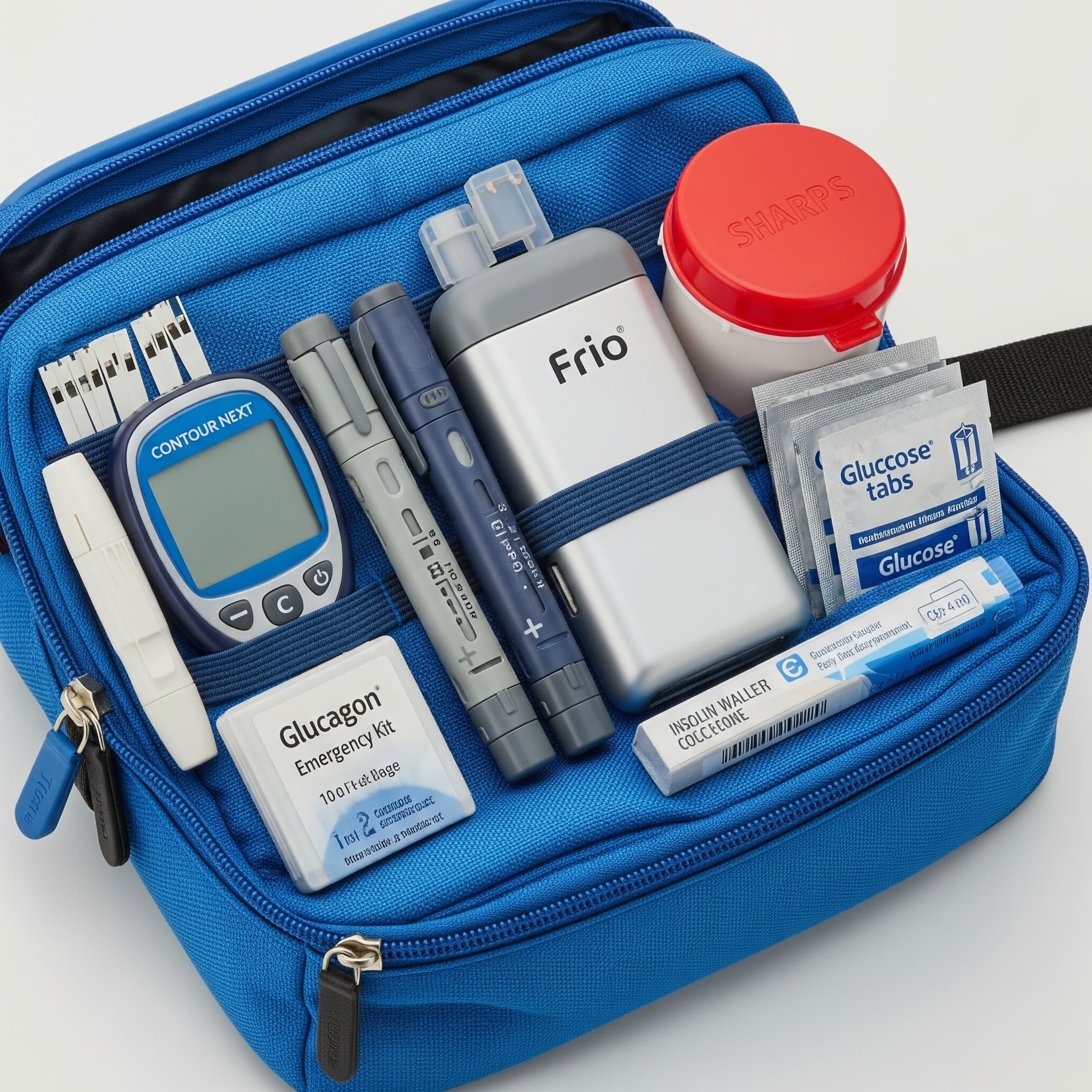
What’s in Your T1D Medical Bag? Must-Have Supplies to Always Keep on Hand
Having a well-stocked medical bag is a non-negotiable for anyone managing Type 1 Diabetes. Whether you’re heading to school, work, practice, or a weekend getaway, being prepared can make all the difference in managing highs, lows, and everything in between. Here’s what we recommend packing in your T1D go-bag: Glucose meter (with test strips and
T1Ddad · June 2, 2025

How to Treat a Low Blood Sugar (Hypoglycemia) for T1D
Low blood sugar (a “low”) happens when blood glucose drops below 70 mg/dL. It can be scary, but quick action makes all the difference. Know the Signs of a Low: Click here for free printable charts that show the symptoms of a low- perfect for teachers, caregivers, and family/friends. 3-Step Rule of 15 to Treat a
T1Dmom · May 22, 2025
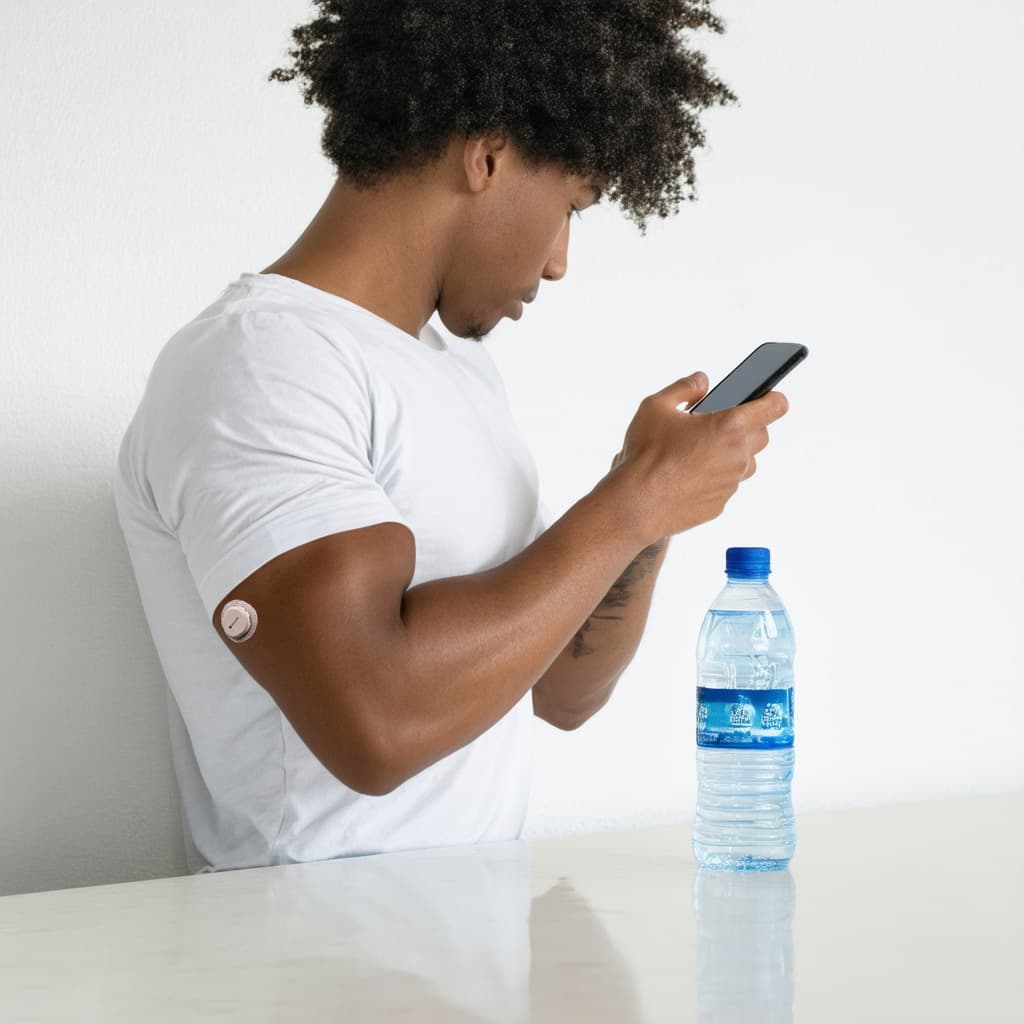
How to Treat a High Blood Sugar (Hyperglycemia) for T1D
A high blood sugar (a “high”) usually means a blood glucose level over 180 mg/dL. It can happen for many reasons — missed insulin, food, stress, illness, or hormones. Managing highs is important to avoid fatigue, dehydration, and longer-term complications. Signs of a High Blood Sugar: (Some people may not feel any symptoms until BG is
T1Dmom · May 20, 2025

Site Prep and Changing
Site Prep (Before Insertion) Proper skin prep helps prevent infections, ensures the device sticks well, and improves accuracy. We experienced a bad infection that led us to the hospital. We want to help others so you do not end up in the same boat. Steps: *Some little ones are scared about the daily injections
T1Dmom · May 4, 2025
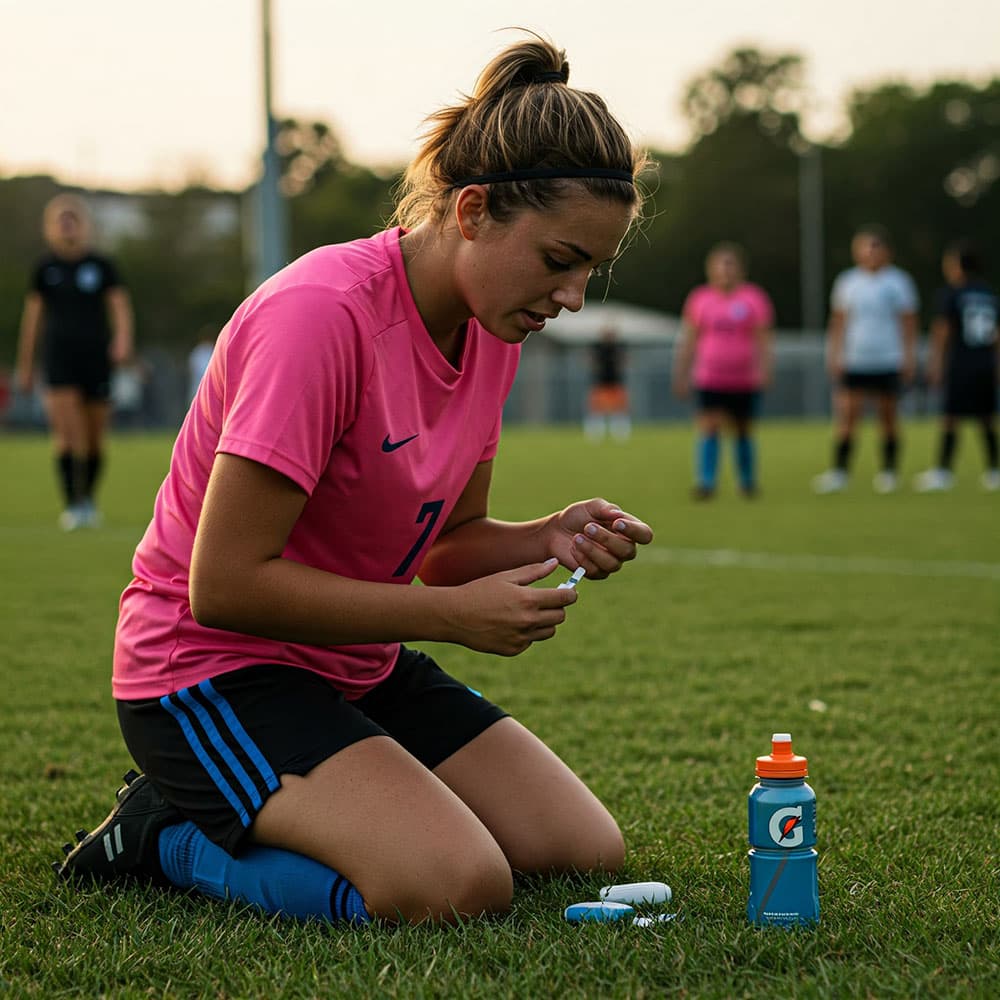
How to Manage Blood Glucose During Exercise for T1D
Physical activity is great for kids with Type 1 Diabetes (T1D), but managing blood glucose during exercise is crucial to avoid highs or lows. Here’s a guide to help you prepare, monitor, and recover safely. Before Exercise: Check and PrepareManaging blood glucose during exercise starts with preparation. Check your child’s glucose level: During Exercise: Monitor
T1Dmom · April 26, 2025
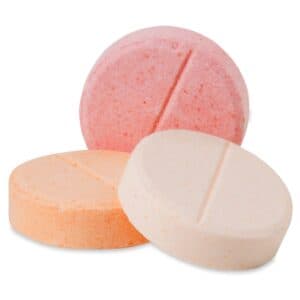
Glucose Tablets for Type 1 Diabetes | Fast-Acting Hypoglycemia Support
Glucose tablets are a fast, reliable, and portable way to raise low blood sugar levels—an essential item in every Type 1 Diabetic’s toolkit. Designed to act quickly, these chewable tabs deliver a precise dose of glucose to help manage hypoglycemia anytime, anywhere. Whether you’re at school, work, exercising, or traveling, having glucose tablets on hand
T1Ddad · April 19, 2025